From Coconut Water to Hospitality Tech: What We Found at FHT 2026 in Bangkok
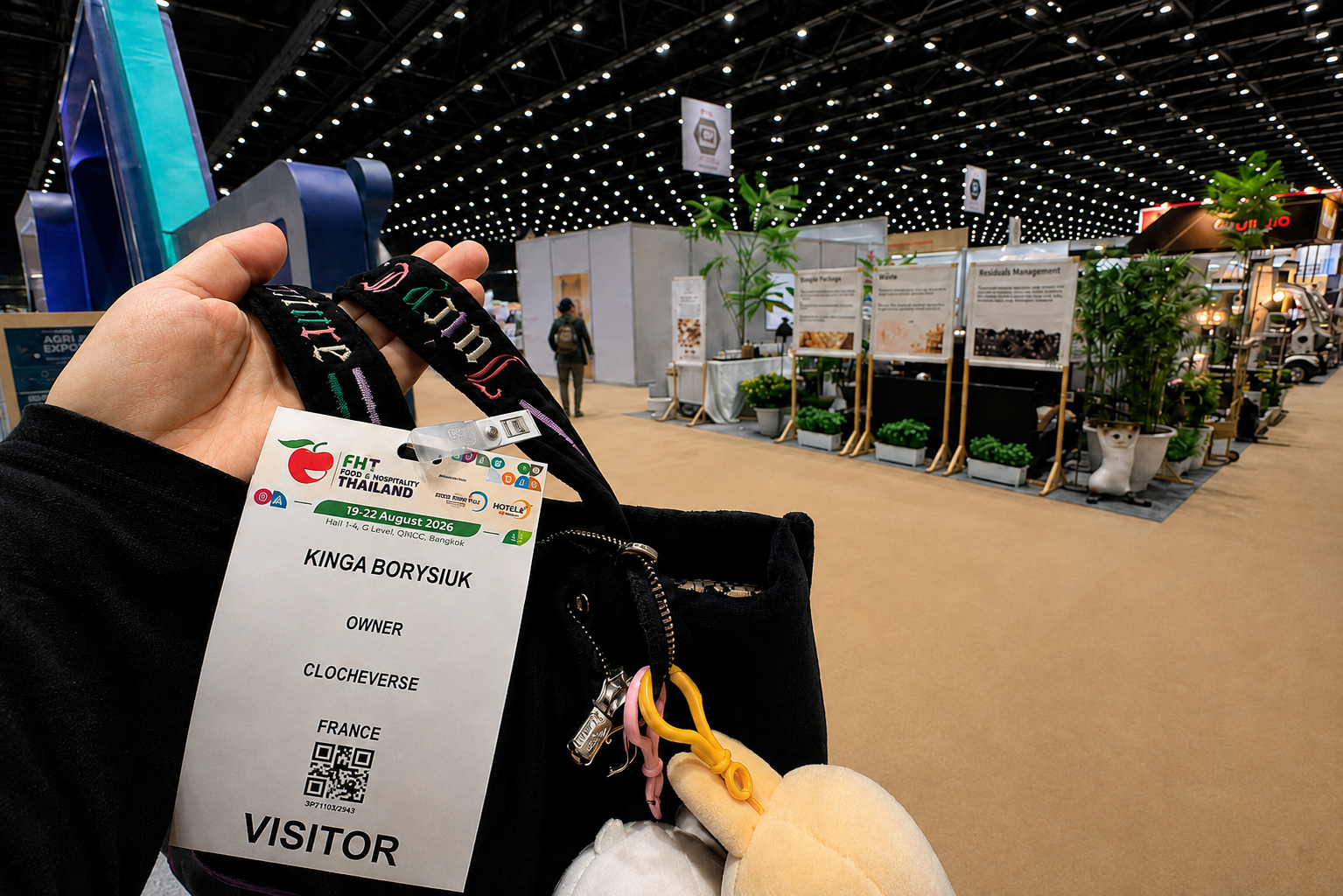
Food & Hospitality Thailand was one of those trade shows where you walk in expecting food, hotel equipment and suppliers, and a few hours later you are looking at holograms, sustainable materials, hotel wellness products, mascots and a coconut with its own takeaway straw. And somehow, all of it makes sense in hospitality. We visited FHT 2026 in Bangkok to see what suppliers are bringing to the market, what is changing and, most importantly, what could actually be useful for hotels, restaurants and other hospitality businesses. Here are some of the things that caught our attention.
Hospitality is getting much bigger than hotels and restaurants
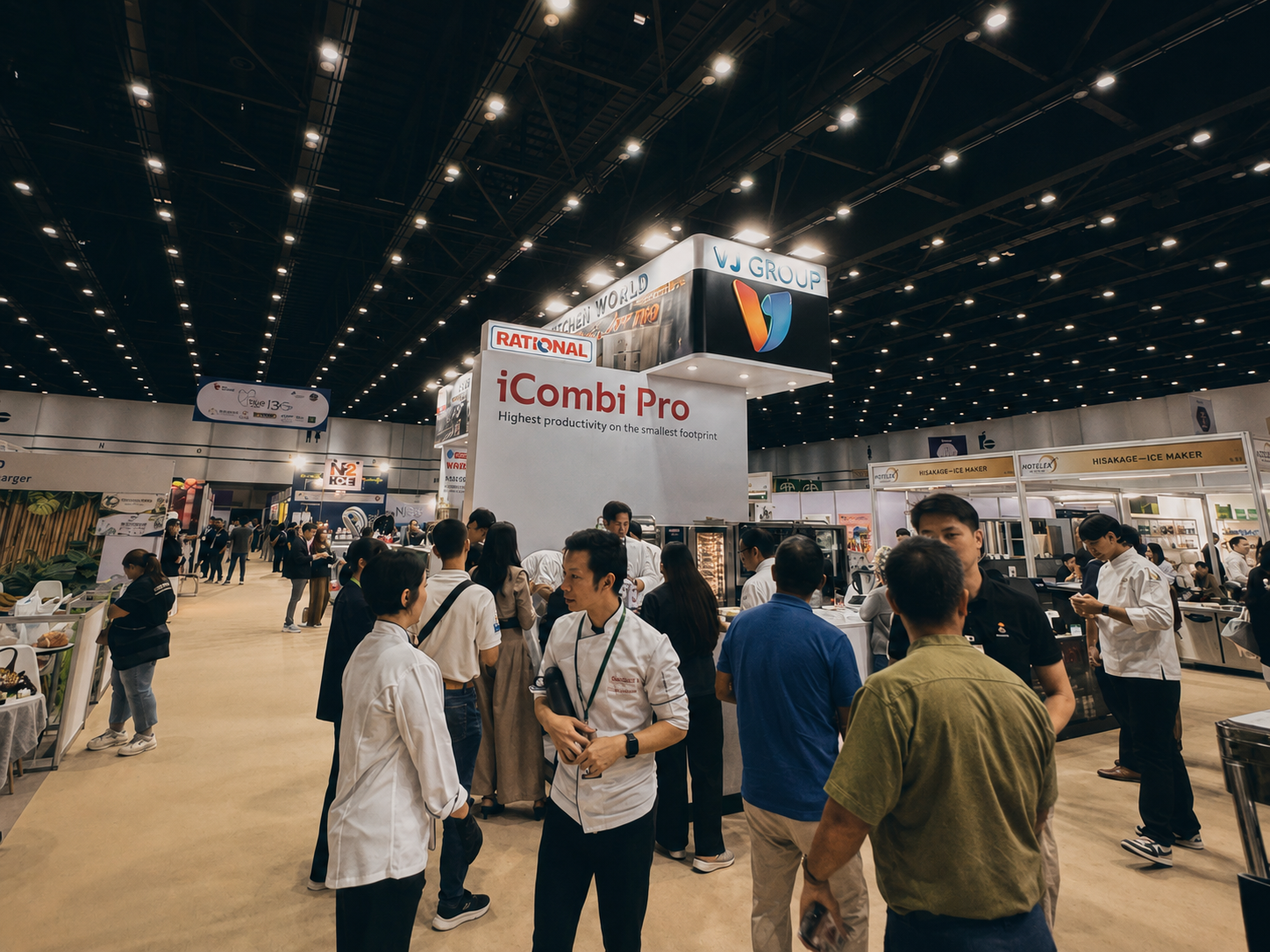
One thing became obvious very quickly: the hospitality supply chain is huge.
You could move from furniture and hotel equipment to food producers, technology, packaging, wellness products and completely new materials within a few minutes.
And that is interesting for us at ClocheVerse because it is exactly how we see hospitality.
A hotel does not only need beds and towels. It needs food, furniture, technology, cleaning products, staff, transport, design, guest amenities and hundreds of other things.
FHT put a lot of those worlds under one roof.
Then there was the tech
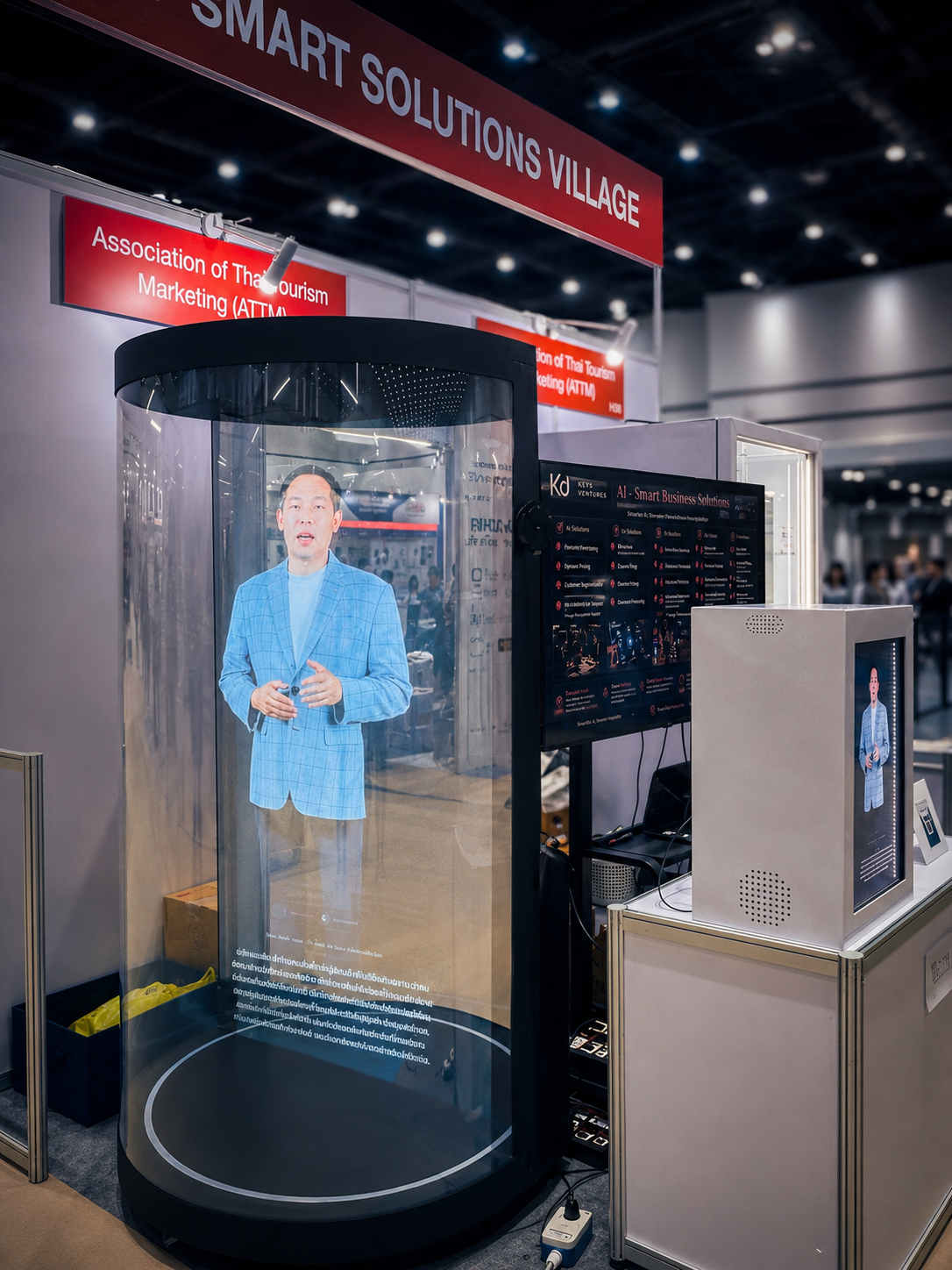
A completely different part of the show was hospitality technology.
Interactive solutions, digital tools and new ways of presenting information are slowly becoming part of the physical hospitality experience rather than something sitting quietly in the back office.
Some of it felt immediately practical. Some of it felt more experimental.
But that is exactly why trade shows are useful: you get to see what might become normal a few years from now while it still feels new.
This was one of our favourite discoveries
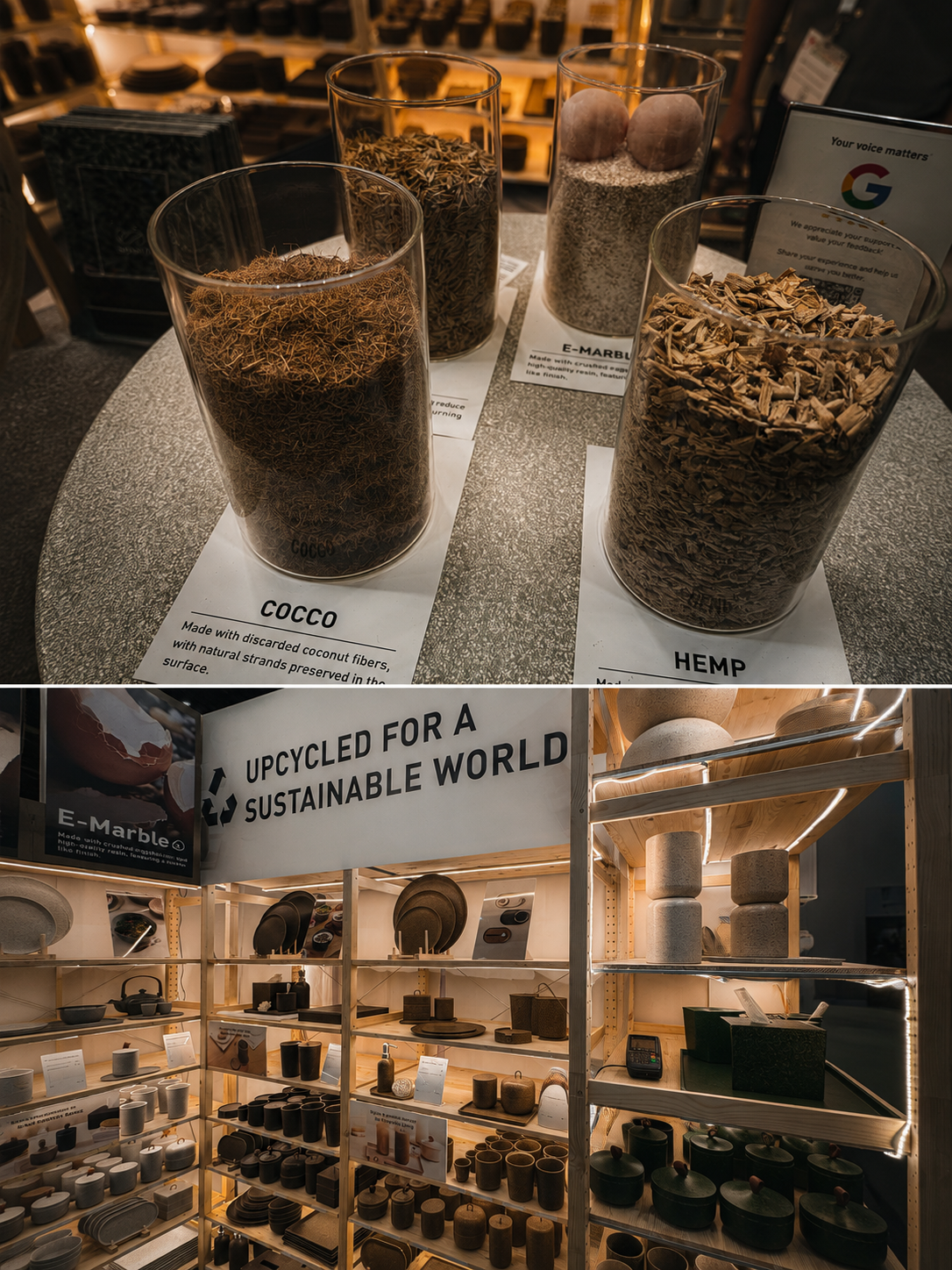
One booth showed materials created using things such as coconut fibres, hemp and other recovered or alternative materials.
What made it interesting was that these weren't just samples accompanied by a sustainability slogan.
They had already been turned into actual objects.
That changes the conversation completely. Instead of asking hospitality businesses to care about an abstract environmental concept, you can simply give them a better material and a product they can actually use.
We liked one of them enough to buy it and take it with us.
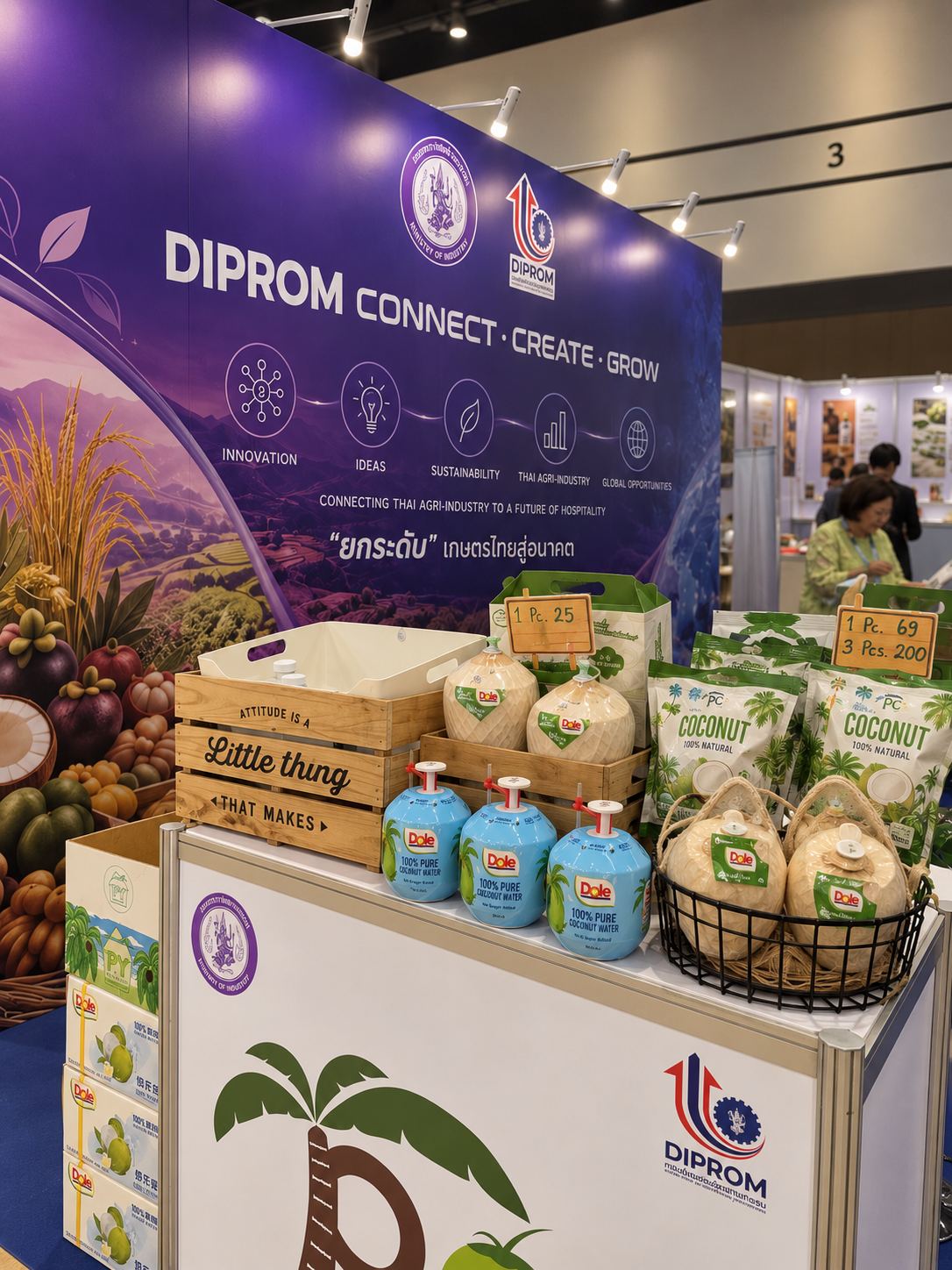
And yes, we need to talk about the coconut.
Among all the equipment and technology at the show, one of the simplest products was also one of the easiest to imagine in hospitality.
A coconut.
Except it was prepared as a convenient grab-and-go product with a straw already integrated into the packaging.
Nothing complicated.
But put it in a resort, beach hotel, pool bar, airport lounge or tourism business and suddenly it makes perfect sense.
Sometimes hospitality innovation isn't about inventing something completely new.
It is about taking something people already want and making it easier to serve.
Hospitality is also becoming more sensory
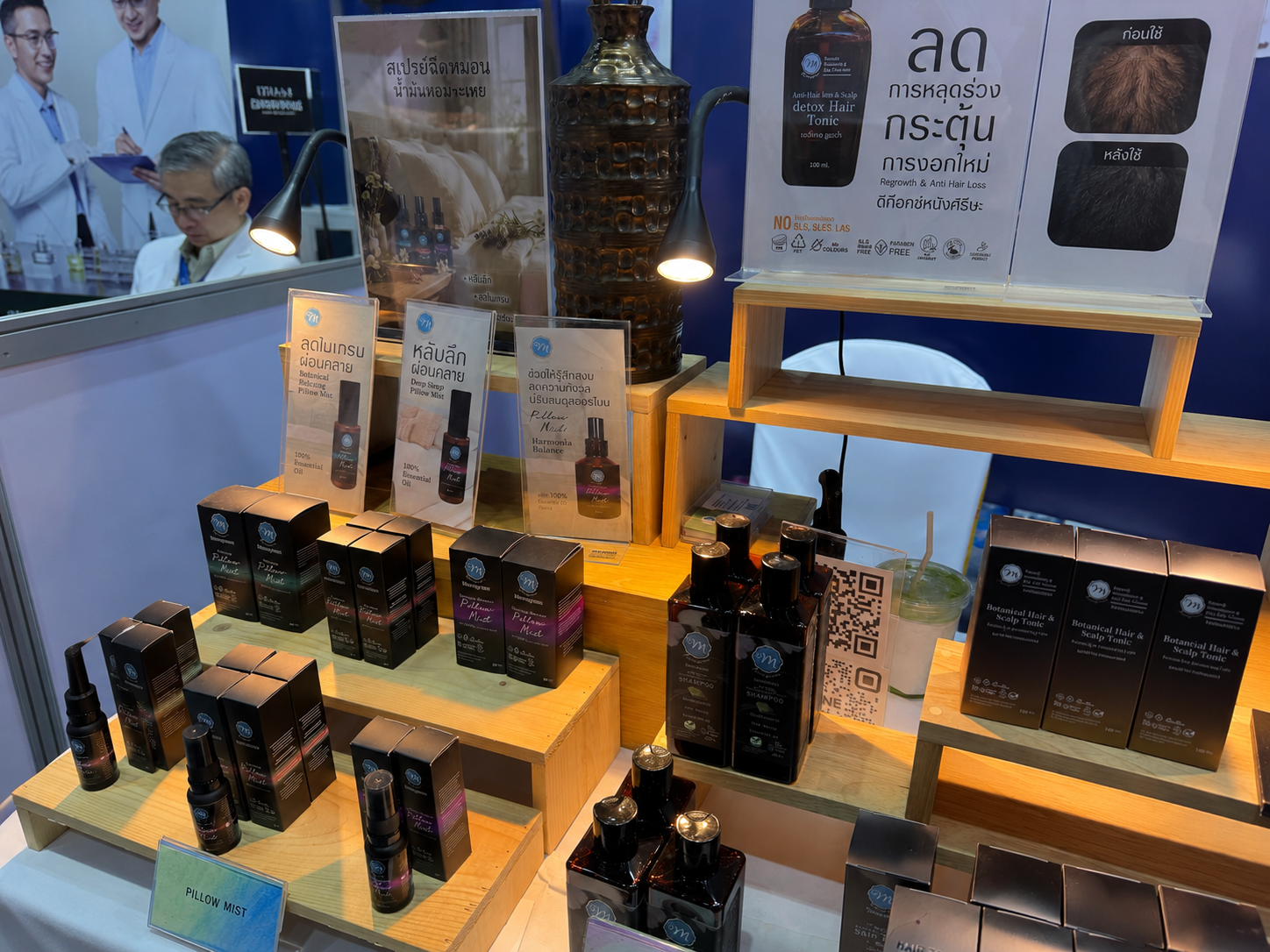
Another category that caught our attention was wellness.
Pillow mists, essential oils, room fragrances and similar products might look like relatively small additions compared with furniture or hotel equipment.
But these are exactly the details guests experience directly.
Hotels increasingly sell a feeling as much as a room: how the space smells, how comfortable it feels, how well somebody sleeps and what they remember afterwards.
That opens an interesting space for smaller specialist suppliers that might never have traditionally considered themselves part of the hospitality supply chain.
And apparently, mascots are hospitality too
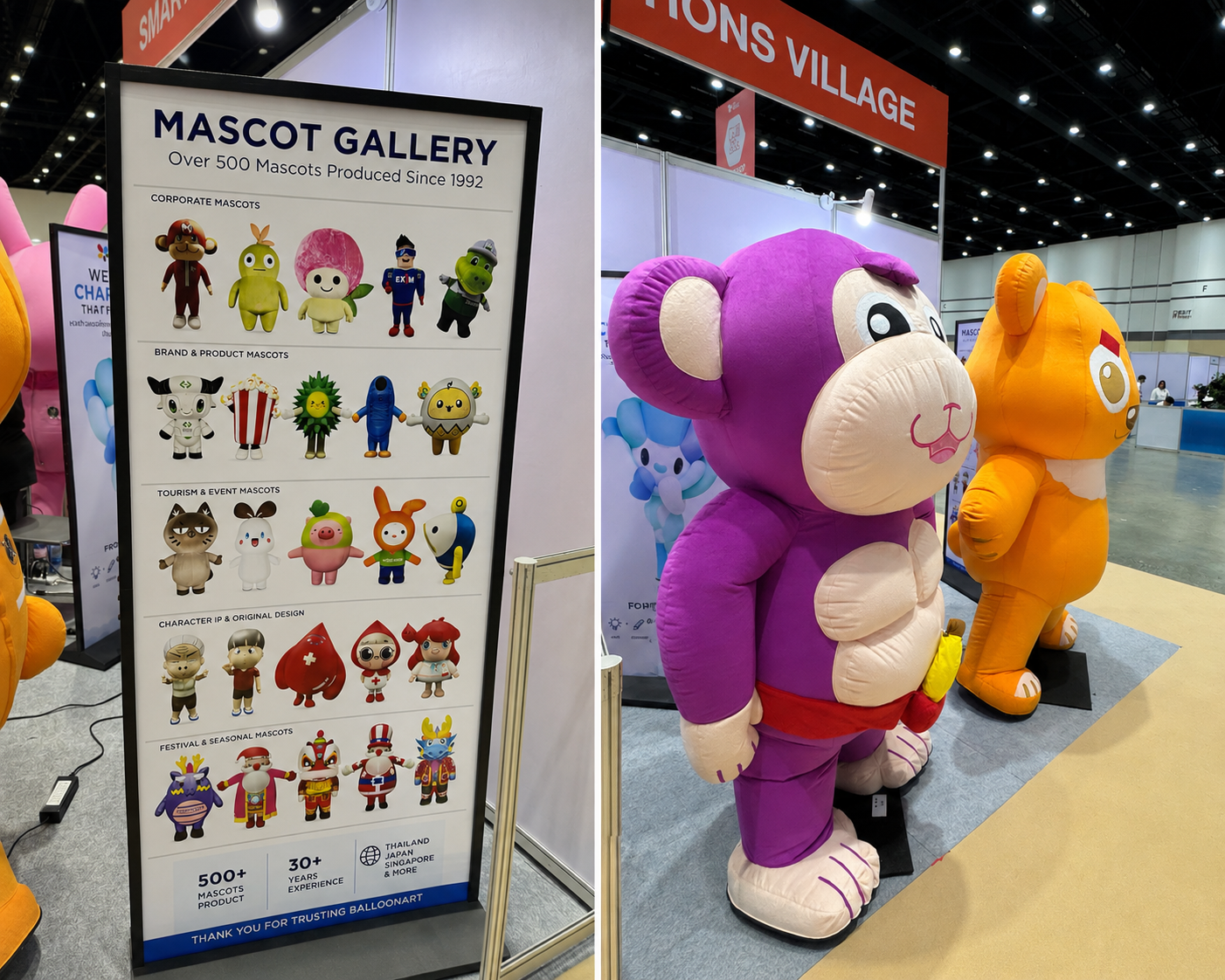
This was probably one of the more unexpected stops.
A company displaying a portfolio of hundreds of mascots initially seems very far away from hotel sourcing.
Then you think about resorts, family hotels, tourist attractions, events, kids' clubs and branded experiences.
Suddenly it isn't strange at all.
Hospitality businesses aren't only buying things they need to operate anymore. They are buying things that help create an experience people will remember.
Local food can travel very far
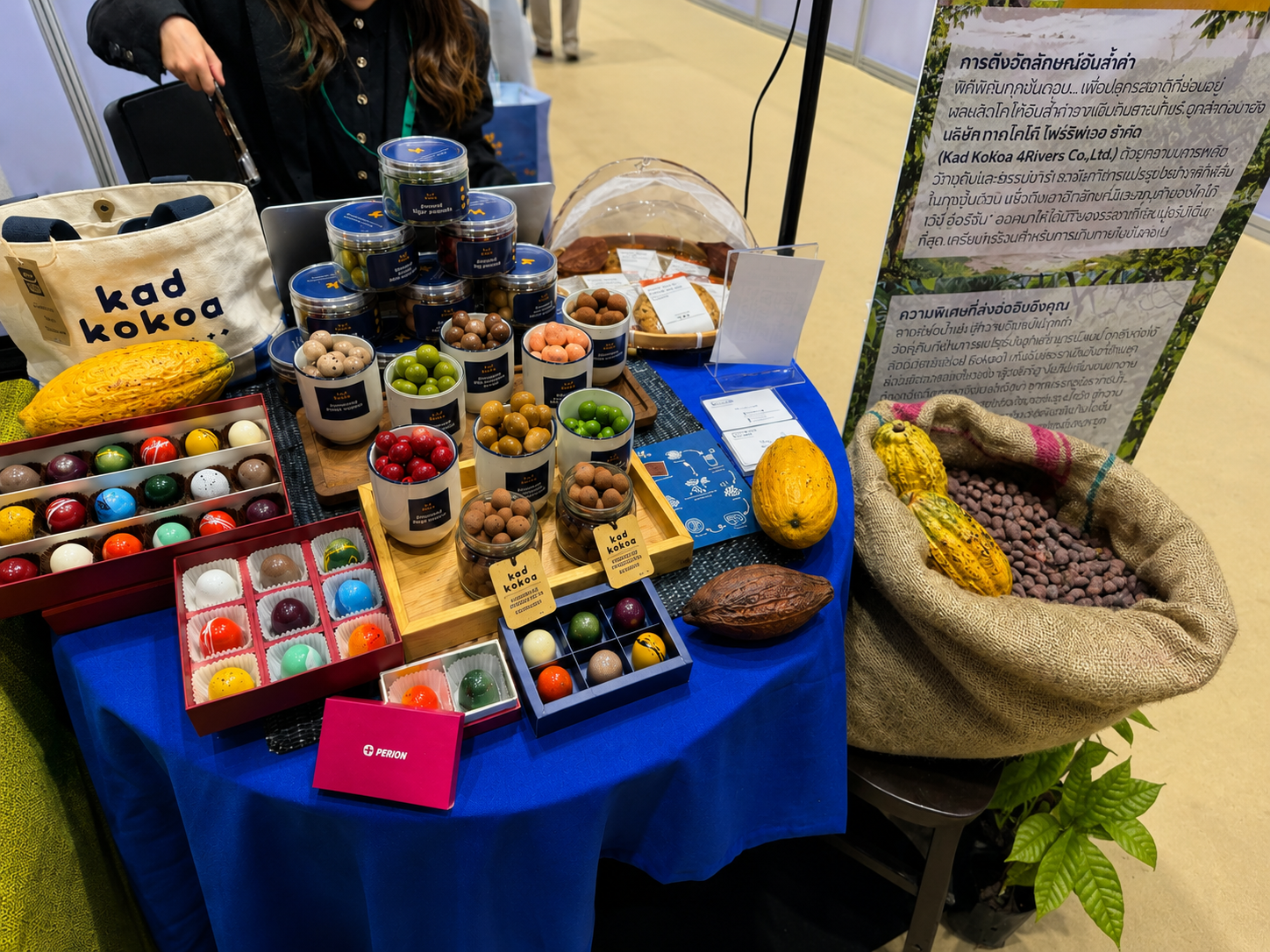
Food was obviously everywhere at FHT, but we were particularly interested in products that had a clear identity behind them.
Speciality cacao is a good example.
For hotels and restaurants, sourcing something distinctive can be much more valuable than simply finding another generic product at the lowest possible price.
Origin, production and the story behind a product can become part of what the guest is actually buying.
Thailand is an interesting place to source from
And this is probably one of the bigger things we took away from the show.
Thailand isn't interesting only because it has an enormous hospitality and tourism industry.
It is also surrounded by manufacturing, agriculture, food production, craftsmanship and increasingly technology.
That combination means a product can be developed locally and still make complete sense for a hotel, restaurant or tourism business on the other side of the world.
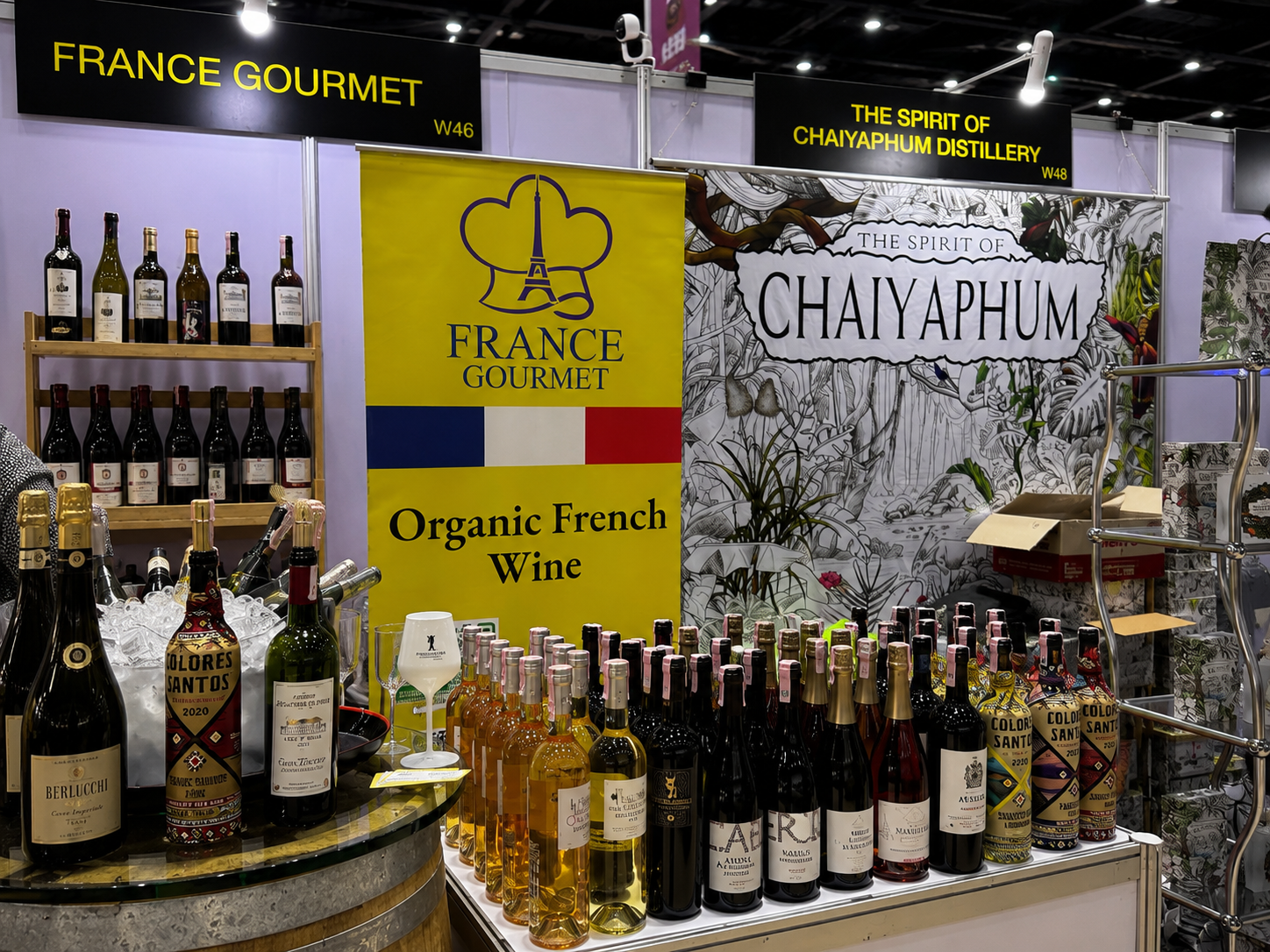
At the same time, international companies were exhibiting alongside Thai businesses.
Hospitality sourcing is becoming increasingly global, even when the products themselves remain very local.
The bigger problem isn't finding interesting companies
Walking through FHT also reminded us of something else.
Trade shows are incredibly good at discovery.
You find a company you didn't know existed. You see the product. You talk to somebody. You take a catalogue or scan a QR code.
And then the trade show ends.
Everyone goes home.
The supplier goes back to manufacturing. The hotel goes back to operating. Business cards end up in bags, catalogues become PDFs somewhere in an inbox and hundreds of potentially useful connections become surprisingly difficult to maintain.
That is the part we think can work better.
That's one of the reasons we're building ClocheVerse
ClocheVerse is being built as a business network specifically for hospitality and tourism.
A place where a manufacturer discovered at a trade show doesn't disappear when the exhibition closes.
Suppliers can maintain their company profile, showroom and products. Buyers can discover them later, follow their business, contact them directly or send a Request for Quote when they actually have a project.
And those relationships can continue throughout the year.
We don't think digital platforms need to replace hospitality trade shows.
Actually, after attending FHT, we think the opposite.
The physical and digital sides of the industry should work together.
A trade show can start the relationship.
The network can keep it alive.
What did we actually bring home?
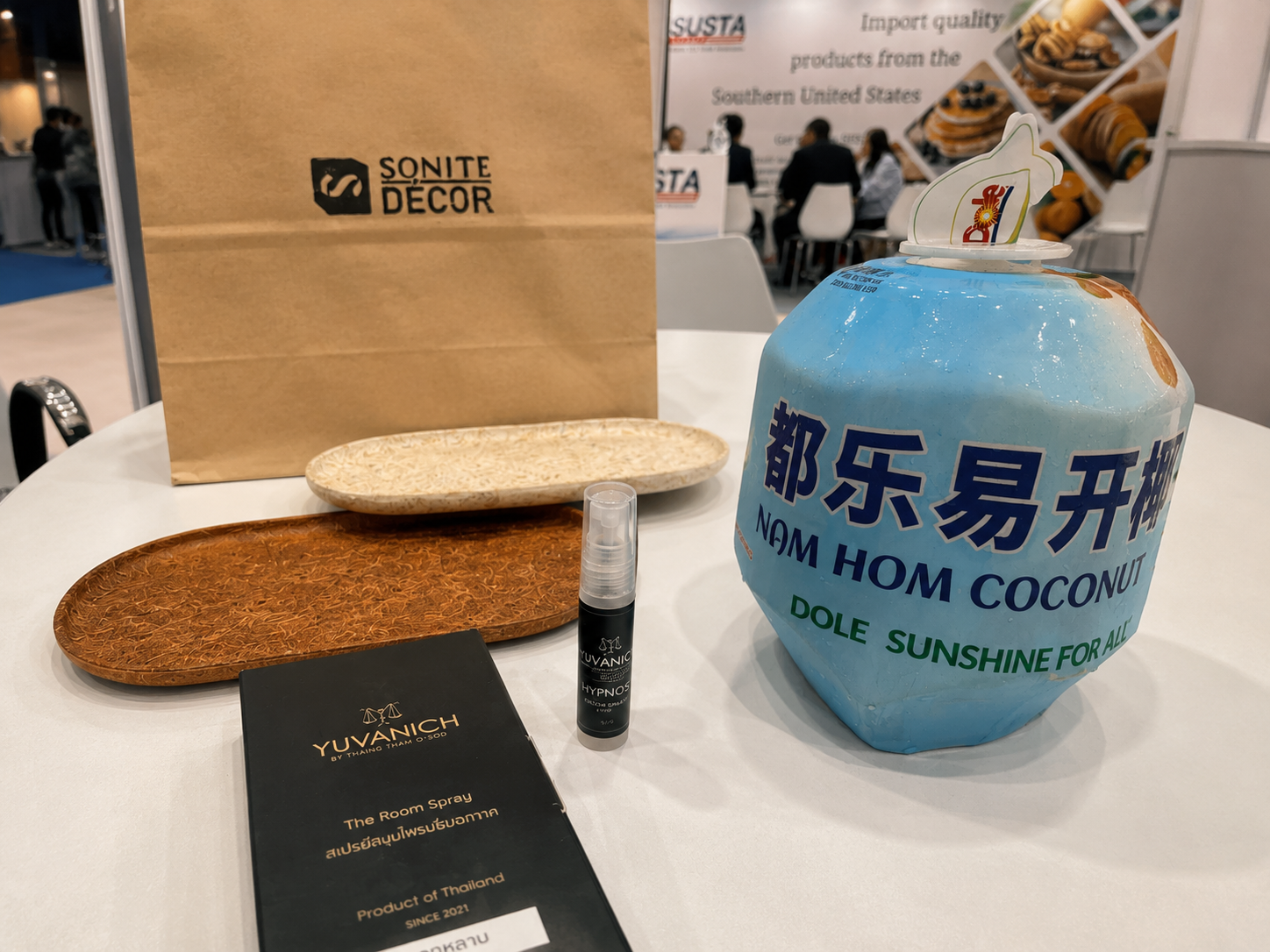
From thousands of products at FHT, three things ended up coming back with us.
An upcycled product made from alternative materials.
A Thai room spray.
And, of course, the coconut.
Three completely different products.
But together they represent surprisingly well what we saw in Bangkok: sustainability, guest experience and simple ideas made more useful for hospitality.